Complete Guide to Cardboard Boxes for Fruit and Vegetables
Creating the Ideal Custom Vegetable Boxes: A Step-by-Step Approach
Constructing specialized fruit and vegetable boxes needs a strategic strategy. Specialists must evaluate environmental impact, practicality, and aesthetics. Choosing the suitable materials is crucial for maintaining quality and advancing eco-friendly methods. Additionally, size and shape can significantly influence ease of use and shipping efficiency. Effective graphics enhance company recognition, while thorough testing ensures durability. Understanding these elements will uncover vital knowledge into producing remarkable packaging approaches that resonate to consumers. What comes next is essential to achieving those targets.
Choosing the Right Components for Custom Produce Boxes
When considering materials for custom produce boxes, it is important to review both functionality and eco-friendliness. The choice of material significantly determines the box's strength, weight, and capacity to protect the contents. Common materials include corrugated cardboard, which offers strength and is recyclable, making it a popular choice for green-minded businesses. Biodegradable options, such as molded pulp or plant-based plastics, also promote sustainable practices while delivering adequate protection for delicate produce.
Additionally, moisture protection is important for keeping freshness intact, moving some suppliers to consider specially processed substances or targeted protective finishes. The aesthetic appeal of the box must not be ignored, as brand messaging and design aesthetics can shape consumer perception. Ultimately, the suitable material should maintain equilibrium between preserving the goods, appealing to customers, and adhering to environmental standards, ensuring both functionality and sustainability are prioritized to the creation phase.
How to Determine Size and Shape for Effectiveness?
When determining the form and dimensions of custom produce boxes, careful assessment of produce dimensions is essential for proper storage. Additionally, considerations for movement and transportation can affect the box design, ensuring ease of movement. Maximizing storage space utilization further improves functionality, allowing for effective presentation and organization.
Assess Produce Dimensions Carefully
Assessing the suitable size and shape for vegetable boxes is fundamental for workflow efficiency. Accurate assessment of produce dimensions is critical, as it guarantees that goods fit firmly without surplus room that could lead to damage during storage or transport. Bespoke boxes need to support various shapes, from soft-skinned fruits to bulky vegetables, while maintaining durability. Furthermore, the height and width of the boxes should facilitate organized stacking and organization, making full use of space in storage facilities. A expertly built box not only protects the produce but also strengthens consumer attraction for buyers. To sum up, measured analysis dive in of dimensions assists in reducing waste and advancing overall user experience in the supply chain.
Assess Handling and Transport
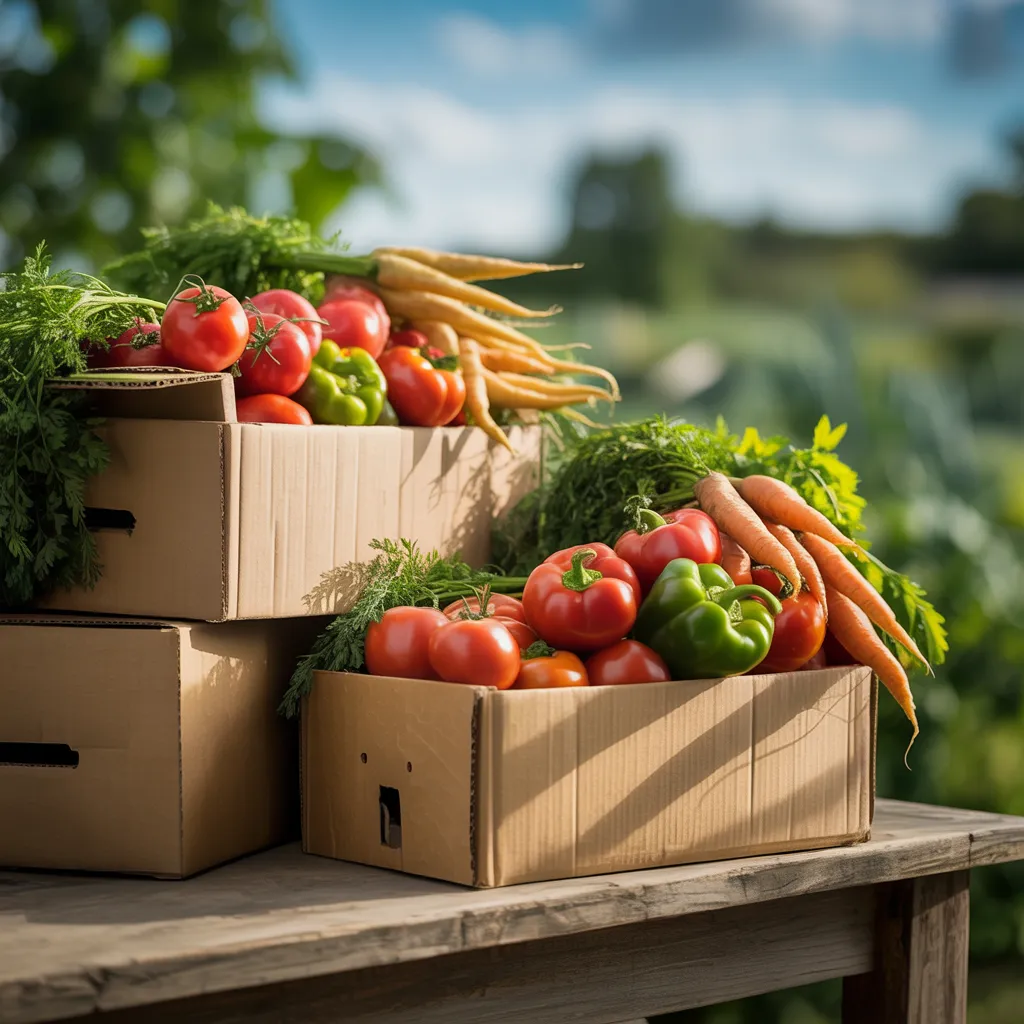
Shipping and handling factors play a significant role in deciding the proper size and shape of custom agricultural boxes. The measurements must accommodate the produce without surplus space, which could lead to shifting and injury throughout transit. Compact boxes facilitate simpler handling, while bigger containers may be needed for bulkier products. Furthermore, ergonomic design is essential; grips or access points should be deliberately positioned to permit comfortable lifting and transporting. The shape of the box also affects layering and stability, ensuring that products remain secure. Ultimately, thorough evaluation of such aspects enhances the productivity of delivery, minimizes goods loss, and upholds the general soundness of the produce from farm to end user.
Maximize Display Space Efficiency
Efficient shelving efficiency relies upon choosing the right size and shape of custom produce boxes. Designers should consider the measurements of the shelving units as well as the varieties of produce being kept. Rectangular boxes often optimize spatial utilization, enabling for easier arrangement and organization. On the other hand, distinctive forms can improve aesthetic attractiveness but may lead to unused areas if not thoughtfully designed.
It's critical to assess the inventory turnover rate; slow-turning items might benefit from smaller, conveniently accessible containers. Furthermore, incorporating flexible or customizable structures can accommodate multiple produce sizes while optimizing display organization. By prioritizing aesthetic and functional qualities, businesses can develop a functional and visually striking display that boosts both ease of access and promotional impact.
How to Generate Graphics That Attract Engagement?
Impactful graphics can convert a modest custom produce box into a visual masterpiece that attracts regard. To accomplish this, designers should start by selecting a color palette that mirrors the freshness and vibrancy of the produce. Vivid, visually striking colors can evoke emotions of freshness and fitness, compelling consumers to take a extended glance.
Strong typefaces is also essential; readable typefaces can effectively communicate essential information while enhancing visual appeal. Furthermore, using high-quality images of the products can establish instant connection, showcasing the item's worth and enticing potential buyers.
Furthermore, incorporating distinctive visual elements and patterns can help set apart the brand in a busy market. Alignment in graphic components, such as logos and taglines, solidifies brand identity. Ultimately, a blend of inventiveness and precision in graphic design can greatly elevate the power of custom produce boxes, making them stand out on shelves.
Environmentally Responsible Practices for Custom Produce Box Packaging
A mounting number of firms are taking up environmentally responsible standards for custom produce box packaging, appreciating its importance in today's ecologically aware market. These practices often include the use of degradable materials, such as recycled paper and plant-based plastics, which minimize environmental impact. Companies are also zeroing in on conscientious sourcing, ensuring that materials are obtained from responsibly managed forests or suppliers who prioritize environmental stewardship.
Furthermore, numerous brands are opting for understated designs that reduce waste while still effectively promoting their products. This approach not only resonates with environmentally conscious consumers but also assists in lowering production costs. Moreover, businesses are progressively implementing effective manufacturing processes that minimize energy consumption and waste generation. By integrating these eco-friendly practices, companies not only enhance their brand image but also contribute positively to the planet, aligning their operations with a sustainable future.
Examine Your Custom Produce Box Design
Testing the design of custom produce boxes is an significant step in confirming they meet both appearance-based and performance-based requirements. This process generally involves examining components such as robustness, capacity, and practical use. First, prototypes should be created to evaluate the package's structural integrity, ensuring it is able to handle shipment and preservation without compromising the produce.
Afterwards, usability reviews can be undertaken to ascertain how without difficulty the boxes can be opened, latched, and nested. Opinions from intended users can be crucial in this juncture, revealing viewpoints into the box's practical application.
In addition, the design's aesthetic value should be tested through survey groups or focus panel discussions, gauging consumer reactions to branding features, colors, and overall presentation.
In the end, thorough evaluation allows designers to refine the box, ensuring it not only attracts customers but also effectively protects and presents the produce within, achieving the right balance between form and function.
Showcasing Your Custom Produce Boxes Successfully
Impactful marketing of custom produce boxes requires a well-planned strategy that highlights their distinctive advantages and value. Businesses must concentrate on pinpointing their intended customers, whether they are local farms, grocery stores, or individual consumers. Capitalizing on social media platforms can enhance brand awareness, showcasing the boxes' appearance and functionality through engaging visuals and storytelling.
Furthermore, teaming up with community leaders and farm operators can strengthen reputation and widen reach. Presenting offers or price reductions during high-demand periods can pull in new clients and foster customer loyalty.
In addition, highlighting sustainability and eco-friendliness in marketing materials can resonate with environmentally conscious consumers. Delivering comprehensive information about material choices and the benefits of custom packaging can further distinguish the product in a competitive market.
In the end, a extensive promotional approach that blends digital and grassroots efforts will effectively market custom produce boxes, appealing to a wide-ranging clientele and increasing sales.
Often Requested Queries
What Do the Charges Related to Custom Produce Box Design?
Costs associated with custom produce box design include materials, printing, labor, and delivery. Additionally, design work and production minimums can influence overall expenses, resulting in varying pricing based on specific requirements and production scale.
How much time Does It Take to Create Personalized Boxes?
Crafting customized boxes usually takes two to six weeks. Factors that shape this timeline comprise design complexity, materials sourcing, and production capability, each of which might impact shipment timelines and processing times.
Is it Feasible to Buy a Small Quantity of Tailored Produce Boxes?
Yes, limited amounts of bespoke produce containers can generally be placed. Many suppliers extend baseline order amounts, enabling organizations or people to procure tailored packaging solutions without needing to commit to large amounts from the beginning.
What Common Blunders Should You Dodge in Custom Box Design?
Frequent errors in custom box layout encompass overlooking functionality, disregarding brand consistency, underestimating material quality, not considering target audience preferences, and disregarding environmental impact. Each aspect is essential for successful packaging and customer satisfaction.
How Can I Guarantee My Boxes Are Safe for Food?
To ensure boxes maintain food-grade status, individuals must pick compounds approved for food contact, eliminate dangerous inks and adhesives, sustain cleanliness during production, and regularly test for compliance with health regulations and safety standards.